4-Week Nutrition Reset: Meal Planning & Healthy Fats
Nutrition Basics, Meal Planning, Macros Explained, Protein Sources, Carbohydrate Guide, Healthy Fats
Your 4‑Week Nutrition Reset: From Meal Planning to Healthy Fats
This four-week series walks you step by step through Nutrition Basics: how to plan meals, understand macros, and confidently choose proteins, carbohydrates, and healthy fats that support your goals—without strict dieting or food anxiety.
How This 4‑Week Nutrition Basics Series Works
If you have ever opened your fridge at 6 p.m. and wondered what on earth to eat, this series is for you. Over four weeks, you will move from confusion to clarity with a simple structure:
Week 1: Meal Planning and Macros Explained—what they are and how to use them.
Week 2: Protein fundamentals and practical protein sources for every diet.
Week 3: A realistic carbohydrate guide—which carbs to lean on and how much you need.
Week 4: Demystifying fats, with a focus on choosing and using healthy fats.
You do not need to count every calorie or follow a rigid meal plan. Instead, you will learn principles you can adapt to your lifestyle, preferences, and cultural foods. Think of this as a friendly, structured reset rather than a strict diet.
Week 1: Meal Planning and Macros Explained
What Are Macros and Why Do They Matter?
“Macros” is short for macronutrients—the three main nutrient groups that provide energy: protein, carbohydrates, and fats. Understanding macros is a cornerstone of Nutrition Basics because they directly affect how you feel, perform, and recover each day.
Protein helps build and repair muscle, supports immunity, and keeps you fuller for longer.
Carbohydrates are your body’s preferred fuel, especially for your brain and during exercise.
Fats support hormones, brain function, and the absorption of vitamins A, D, E, and K.
A balanced plate usually includes all three. The exact ratio depends on your goals, but for most people, a helpful starting point is:
20–30% of calories from protein
40–50% from carbohydrates
25–35% from fats, prioritizing healthy fats
Simple Meal Planning for Real Life
Meal Planning does not have to mean eating the same dish all week. In this first week, your goal is to create a loose structure so you are not making every decision on the fly. Here is a three-step approach:
Pick your “macro anchors” for each meal. For example, choose a protein (chicken, tofu, eggs), a main carbohydrate (rice, pasta, potatoes, beans), and a source of healthy fats (olive oil, avocado, nuts).
Layer in color and fiber. Add at least one fruit or vegetable to every meal. This boosts vitamins, minerals, and keeps you full on fewer calories.
Plan 2–3 “core meals” per week, not 21 perfect meals. Rotate these core meals for lunches and dinners, then mix in 1–2 flexible options like a quick stir-fry or a grain bowl.
For this week, write out a simple Meal Planning grid: three breakfasts, three lunches, three dinners you feel confident making. Next to each, jot down which macro is leading the meal—protein, carbs, or fats—so you can see your balance at a glance.
💡 Pro Tip: When in doubt, build your plate in this order: protein first, then vegetables, then carbohydrates, and finally add a drizzle or sprinkle of healthy fats.
Week 2: Protein Fundamentals and Everyday Protein Sources
Why Protein Is the Star Macro for Many People
In Week 2, we zoom in on protein. Many adults under-eat protein, especially at breakfast and lunch. Getting enough supports muscle maintenance, especially as you age, helps manage hunger, and can stabilize your energy throughout the day.
A general guideline is aiming for about 1.2–2.0 grams of protein per kilogram of body weight if you are active or trying to improve body composition. For a 70 kg person, that is roughly 85–140 grams per day, spread across meals.
Protein Sources for Every Eating Style
Building a list of go-to protein sources makes Meal Planning much easier. Mix and match from these categories to keep your meals interesting:
Animal-based protein sources: chicken breast or thighs, turkey, lean beef, pork loin, fish (salmon, cod, tuna), shellfish, eggs, Greek yogurt, cottage cheese, kefir, and cheese in moderation.
Plant-based protein sources: tofu, tempeh, edamame, lentils, chickpeas, black beans, kidney beans, peas, quinoa, soy milk, and higher-protein whole grain breads and pastas.
Convenient options: canned tuna or salmon, rotisserie chicken, pre-cooked lentils, protein powders (whey, pea, soy), and ready-to-drink protein shakes for busy days.
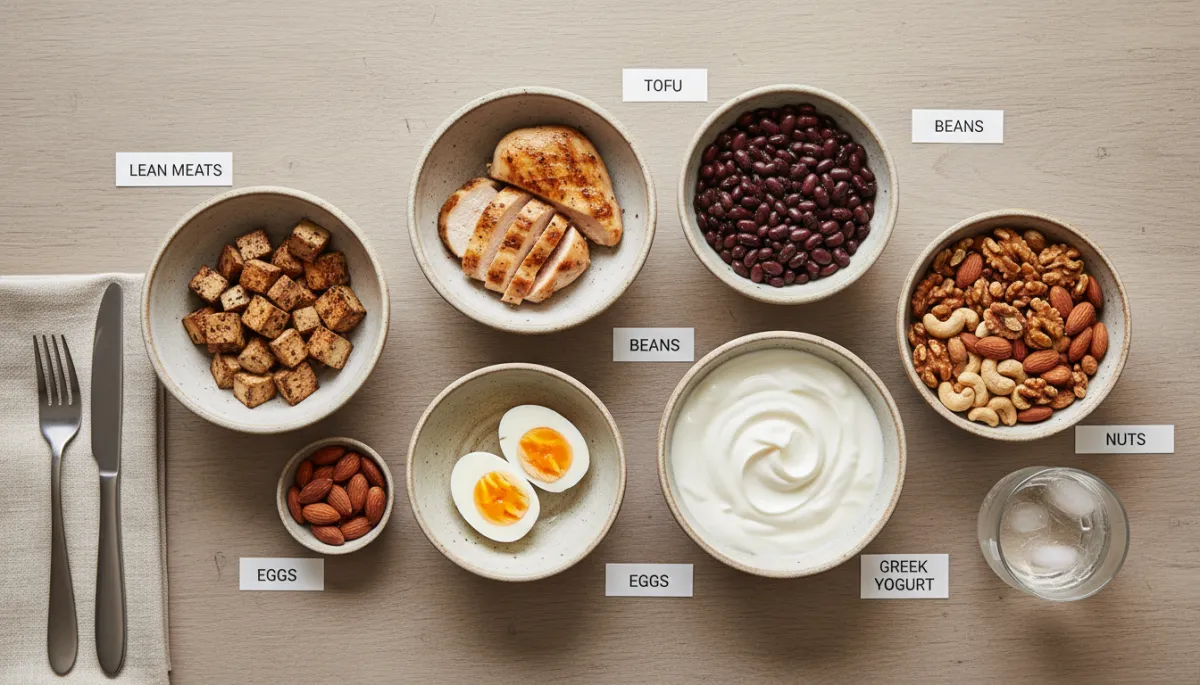
Building a small rotation of favorite protein sources keeps meals satisfying and simple.
Your Week 2 Focus: Protein at Every Meal
For this week, keep your Nutrition Basics simple: aim to include a palm-sized portion of protein (or two palms if you are larger or more active) at breakfast, lunch, and dinner. If you snack, consider a protein-based snack like yogurt with fruit, hummus with vegetables, or a boiled egg with a piece of fruit.
Notice how your hunger, cravings, and energy levels feel when you prioritize protein sources. Many people find they naturally snack less and feel more stable throughout the day when they do this consistently.
Week 3: Carbohydrate Guide—Fuel Without Fear
Rethinking Carbs: Not the Enemy
Carbs have a bad reputation, but they are one of your body’s main energy sources. The key is quality and quantity, not total avoidance. A smart Carbohydrate Guide focuses on choosing carbohydrates that give you energy, fiber, and nutrients, rather than just a quick sugar rush.
Broadly, carbohydrates fall into two categories:
Complex carbohydrates: higher in fiber, digested more slowly, and help keep you full. Examples: oats, brown rice, quinoa, whole grain bread, beans, lentils, sweet potatoes, and most vegetables.
Simple carbohydrates: digested quickly and can spike blood sugar more sharply. Examples: white bread, pastries, sugary drinks, candy, and many ultra-processed snacks.
A Practical Carbohydrate Guide for Your Plate
Instead of cutting carbs, adjust your portions and choose options that work for your lifestyle and activity level. Here is a simple way to think about it:
Everyday meals: Fill about a quarter of your plate with complex carbohydrates such as whole grains, starchy vegetables, or beans, alongside plenty of non-starchy vegetables and protein.
Active days or workouts: Increase carbohydrates slightly around your activity—fruit and yogurt before, rice or pasta after—to support performance and recovery.
Lower-activity days: Keep carbs moderate and rely more on vegetables, protein, and healthy fats to keep you satisfied.
Think of this Carbohydrate Guide as flexible, not rigid. You can absolutely enjoy white rice, bread, or dessert. The goal is to make nutrient-dense carbohydrates your default and savor more refined options intentionally, not mindlessly.
Your Week 3 Focus: Build Smart Carbs into Meal Planning
This week, look back at your Meal Planning grid and identify where your carbohydrates are coming from. Can you swap one refined option for a higher-fiber choice? For example:
White toast → whole grain toast with seeds
Regular pasta → whole wheat or legume-based pasta a few nights a week
Sugary cereal → oats with fruit and a spoon of nut butter
Pay attention to how your energy feels mid-morning and mid-afternoon. Well-chosen carbohydrates, paired with protein and healthy fats, should leave you feeling steady rather than crashing or craving sugar an hour later.
Week 4: Healthy Fats—Finishing Your Nutrition Picture
Why Fats Deserve a Place on Your Plate
The final week of your Nutrition Basics series focuses on healthy fats. Fats were demonized for years, but we now know that the type of fat matters far more than the total amount. Healthy fats help regulate hormones, protect your organs, support brain health, and keep meals satisfying.
Broadly, fats fall into three main categories:
Unsaturated fats (healthy fats): Found in olive oil, avocado, nuts, seeds, and fatty fish. These are linked to heart and brain health and should make up most of your fat intake.
Saturated fats: Found in butter, high-fat dairy, fatty cuts of meat, and some tropical oils. Small amounts can fit into a balanced diet, but they are best kept moderate.
Trans fats: Often found in hydrogenated oils and some packaged baked goods or fried foods. These are best minimized or avoided where possible.
Everyday Sources of Healthy Fats
You do not need complicated superfoods to benefit from healthy fats. Many simple, accessible foods are rich in them:
Oils: extra-virgin olive oil, avocado oil, canola oil (for high-heat cooking).
Whole foods: avocados, olives, nuts (almonds, walnuts, pistachios, cashews), seeds (chia, flax, pumpkin, sunflower).
Fatty fish: salmon, mackerel, sardines, trout—rich in omega-3 fatty acids that support heart and brain health.
Because fats are energy-dense, a little goes a long way. As a rough guide, one thumb-sized portion of oil or a small handful of nuts can be enough to round out a meal when combined with protein and carbohydrates.
Your Week 4 Focus: Finish Your Meal Planning with Healthy Fats
In this final week, review your Meal Planning grid one more time. For each meal, ask:
Where is my main source of healthy fats?
Can I swap a less-healthy fat (like deep-fried foods) for a better option (like grilled or baked with olive oil)?
For example, you might:
Add sliced avocado to your eggs and toast at breakfast.
Toss your salad with olive oil and vinegar instead of a heavy cream-based dressing.
Top your yogurt with a sprinkle of nuts and seeds instead of sugary granola.
📌 Key Takeaway: Healthy fats are not just allowed—they are essential. Let them complement your proteins and carbs, not crowd them out.
Pulling It All Together: Your New Normal After 4 Weeks
By the end of this four-week Nutrition Basics series, you will have built a practical foundation:
You understand macros and can look at a plate and roughly see how protein, carbohydrates, and fats are represented.
You have a short list of reliable protein sources you enjoy and know how to use in Meal Planning.
You can navigate carbohydrates with confidence, using a realistic carbohydrate guide rather than all-or-nothing rules.
You know how to include healthy fats that make meals more satisfying and supportive of long-term health.
Most importantly, you have practiced these skills for four weeks in real life. You have experimented, adjusted, and seen what works for your schedule and preferences. That experience is more powerful than any strict diet rule because it is tailored to you.
As you move forward, keep using the same framework:
Start each week with a brief Meal Planning session—just 10–15 minutes to outline your core meals and grocery list.
Build every meal around protein first, then layer in smart carbohydrates and healthy fats.
Stay flexible. Life happens. If you miss a planned meal, simply return to your framework at the next one instead of “starting over Monday.”
Nutrition is not about perfection; it is about consistent, better choices made easier by a bit of structure. With macros explained, protein sources clarified, a friendly carbohydrate guide in hand, and a clear understanding of healthy fats, you have everything you need to keep building a way of eating that truly supports your life.
