If you’ve ever heard someone say, “I’m cutting carbs,” while another person says, “I’m tracking macros,” you may have wondered… aren’t they basically the same thing?
Not exactly.
Carbs are actually just ONE part of your macros. Understanding the difference can completely change how you approach nutrition, weight loss, muscle gain, and overall performance.
Let’s break it down in simple terms.
What Are Macros?
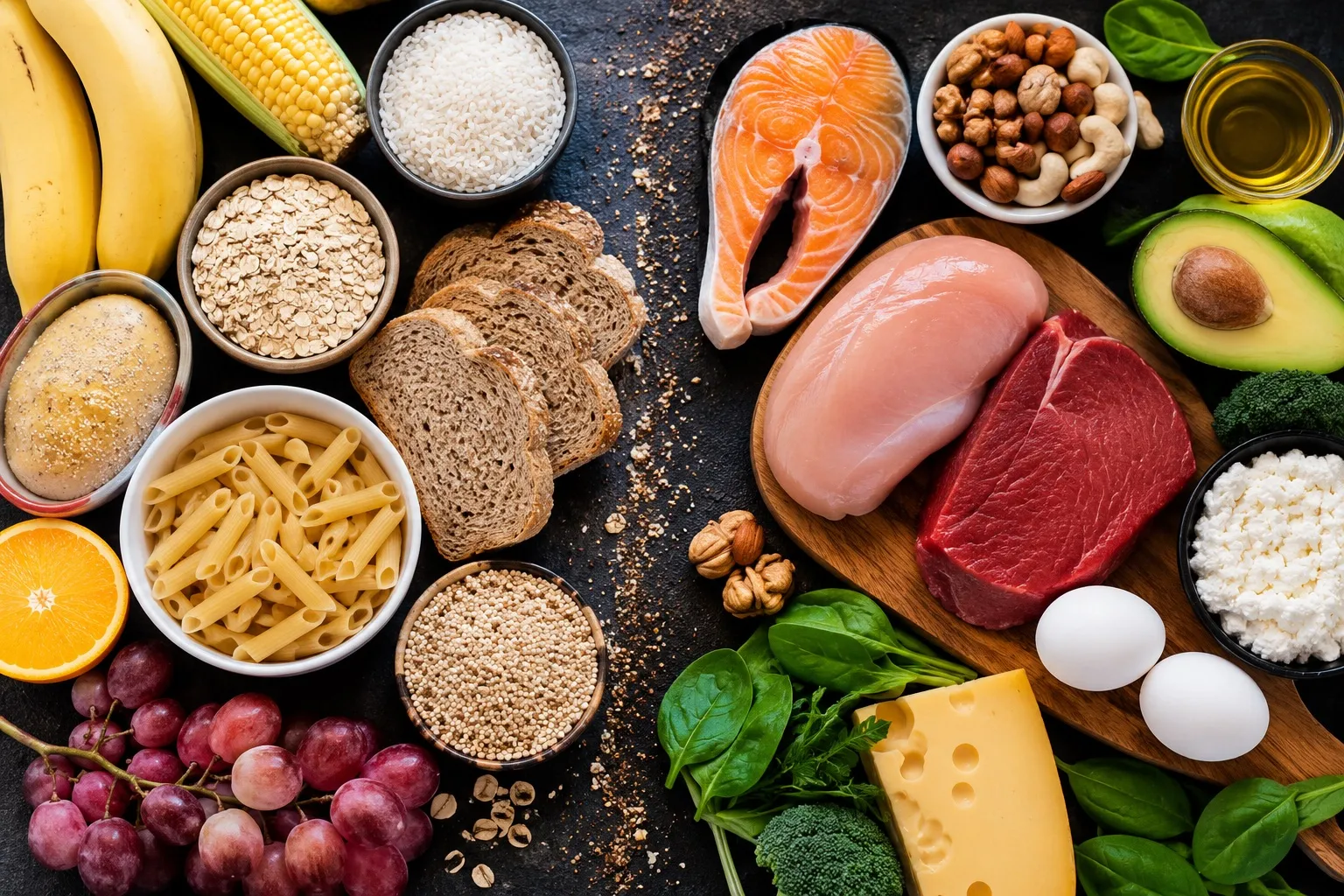
“Macros” is short for macronutrients, the three main nutrients your body needs in large amounts to function properly:
- Carbohydrates
- Protein
- Fat
Each macro plays a different role in your body.
Carbohydrates
Carbs are your body’s primary energy source. They fuel workouts, daily movement, brain function, and recovery.
Examples:
- Rice
- Fruit
- Potatoes
- Oats
- Bread
- Pasta
Protein
Protein helps build and repair muscle while also keeping you fuller longer.
Examples:
- Chicken
- Eggs
- Fish
- Greek yogurt
- Lean beef
- Protein shakes
Fat
Healthy fats support hormones, brain health, recovery, and overall body function.
Examples:
- Avocados
- Nuts
- Olive oil
- Salmon
- Nut butters
So… What’s the Difference Between Carbs and Macros?
Think of macros like a team.
Carbs are just one player on that team.
When someone says they’re “counting macros,” they’re paying attention to all three nutrients (carbs, protein, and fats) instead of focusing on only one.
Many people mistakenly blame carbs for weight gain, but the reality is far more complex than that.
Are Carbs Bad?
Not at all.
Your body actually NEEDS carbs, especially if you:
- Work out regularly
- Lift weights
- Play sports
- Do high-intensity training
- Want energy throughout the day
The problem usually isn’t carbs themselves. It’s often:
- Overeating processed foods
- Eating more calories than needed
- Lack of protein
- Poor balance overall
Cutting carbs too low can sometimes leave people feeling:
- Tired
- Moody
- Weak during workouts
- Hungry all the time
Why Tracking Macros Can Be More Effective
Instead of labeling foods “good” or “bad,” macro tracking focuses on balance.
A balanced macro approach helps you:
- Build muscle
- Lose fat
- Improve energy
- Recover better
- Stay fuller longer
- Support long-term consistency
For example:
Someone eating only low-carb foods but very little protein may struggle to build muscle or feel satisfied.
Meanwhile, someone balancing all three macros may see better results while still enjoying foods they love.
Do You Need to Track Macros?
Not necessarily.
Some people thrive with detailed tracking, while others do better focusing on:
- Portion control
- Protein intake
- Whole foods
- Consistency
The goal isn’t perfection. It’s understanding what fuels YOUR body best.
The Bottom Line
Carbs are not the enemy.
They’re simply one part of the bigger nutrition picture.
Instead of obsessing over cutting carbs, focus on building balanced meals that include:
- Protein
- Healthy fats
- Quality carbohydrates
When you understand macros as a whole, nutrition becomes far less confusing, and much more sustainable.
Because real results don’t come from eliminating foods you enjoy.
They come from consistency, balance, and fueling your body properly.